
You've been pinning Amalfi Coast ceremony setups since 2021.
You have a folder, maybe several, of Douro Valley table settings, Tuscan ceremony arches, and white-washed Algarve cliffs at golden hour. You know the aesthetic you want. You can feel it. The warm stone, linen tablecloths, dinner starts at eight and ends when the last bottle of wine is gone. The ceremony that makes your guests, the ones who flew nine hours to be there, chat about how it was the most beautiful thing they've ever seen.
You know exactly what you want.

Av (audio visual) @epiqvision
Vinyl @eventsurfacesto
Catering @fooddudes
Claudia and Co. Weddings


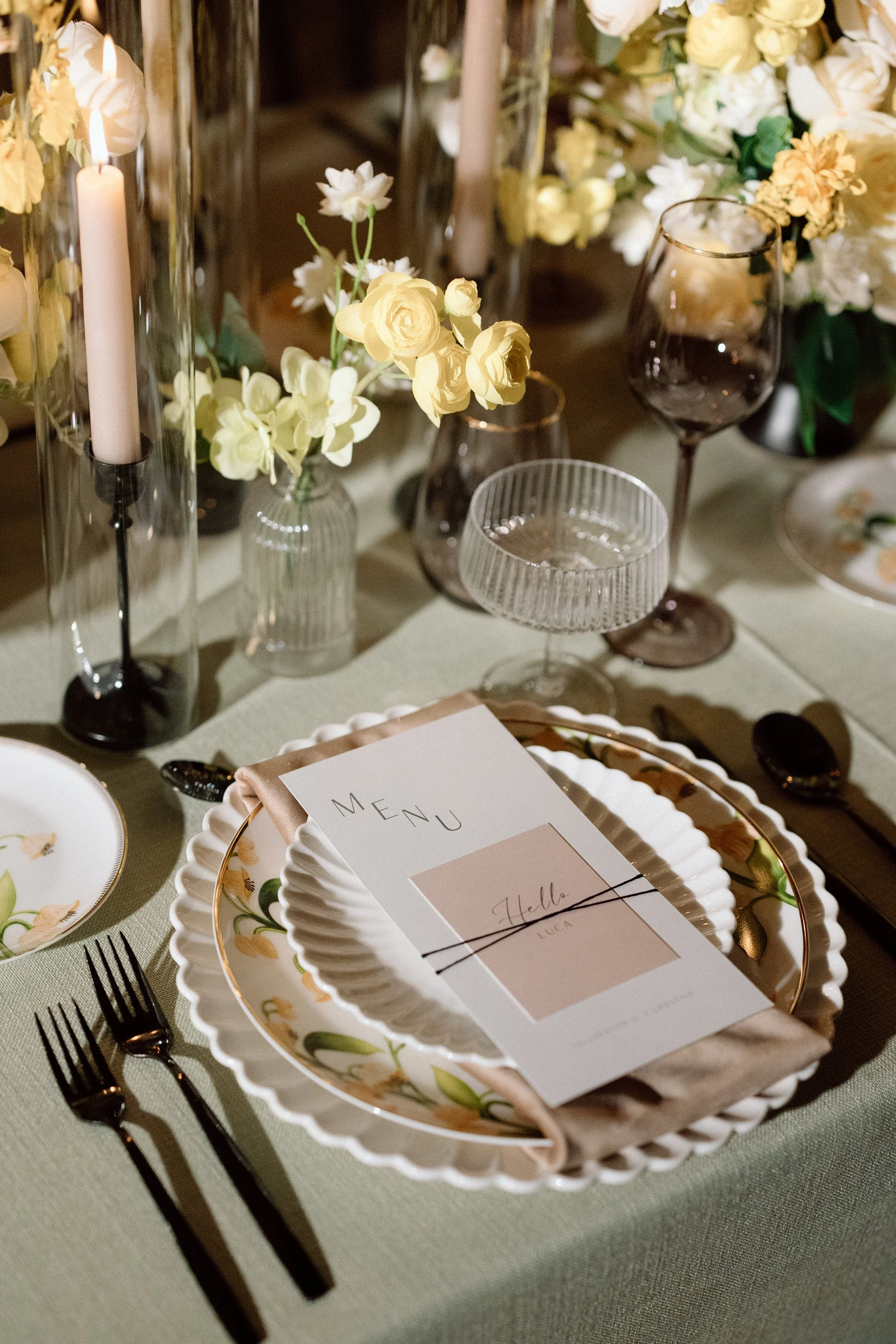








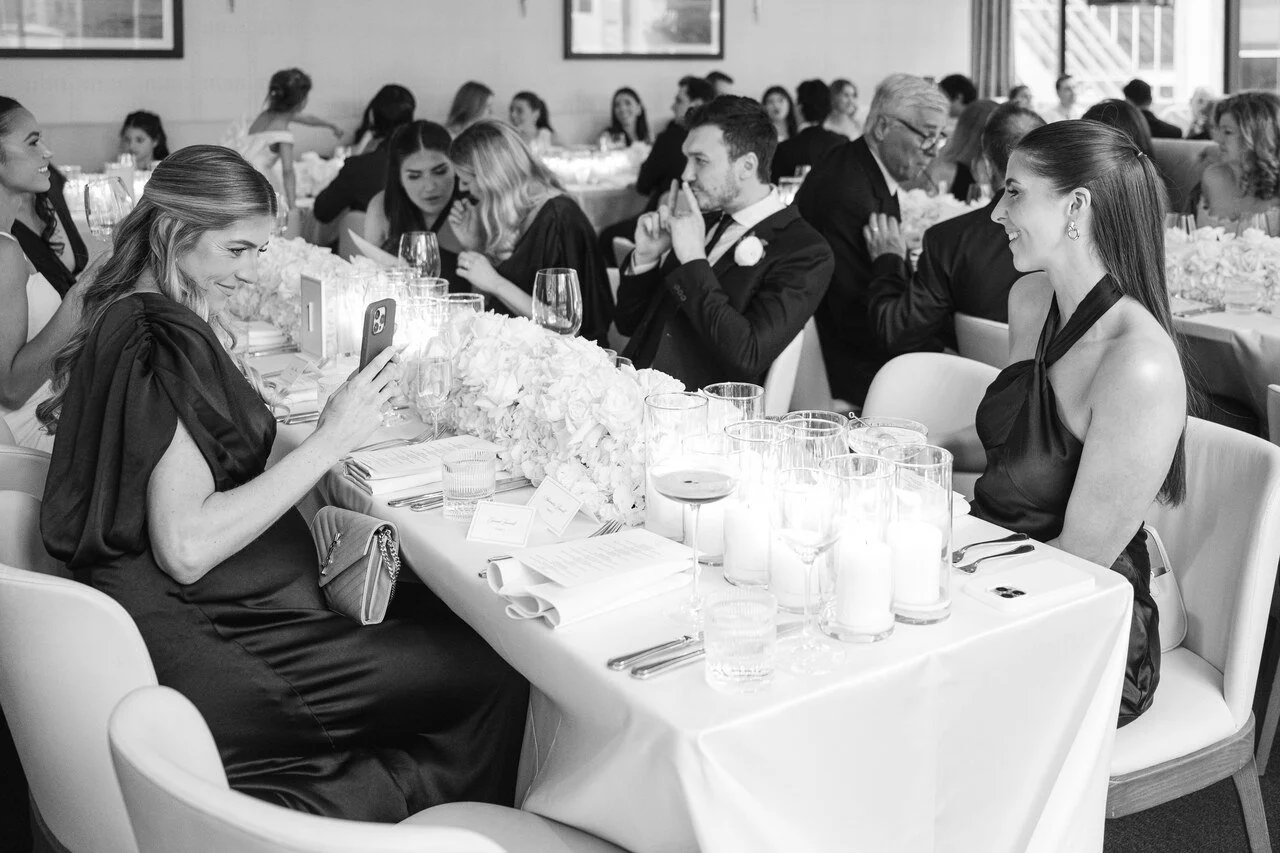
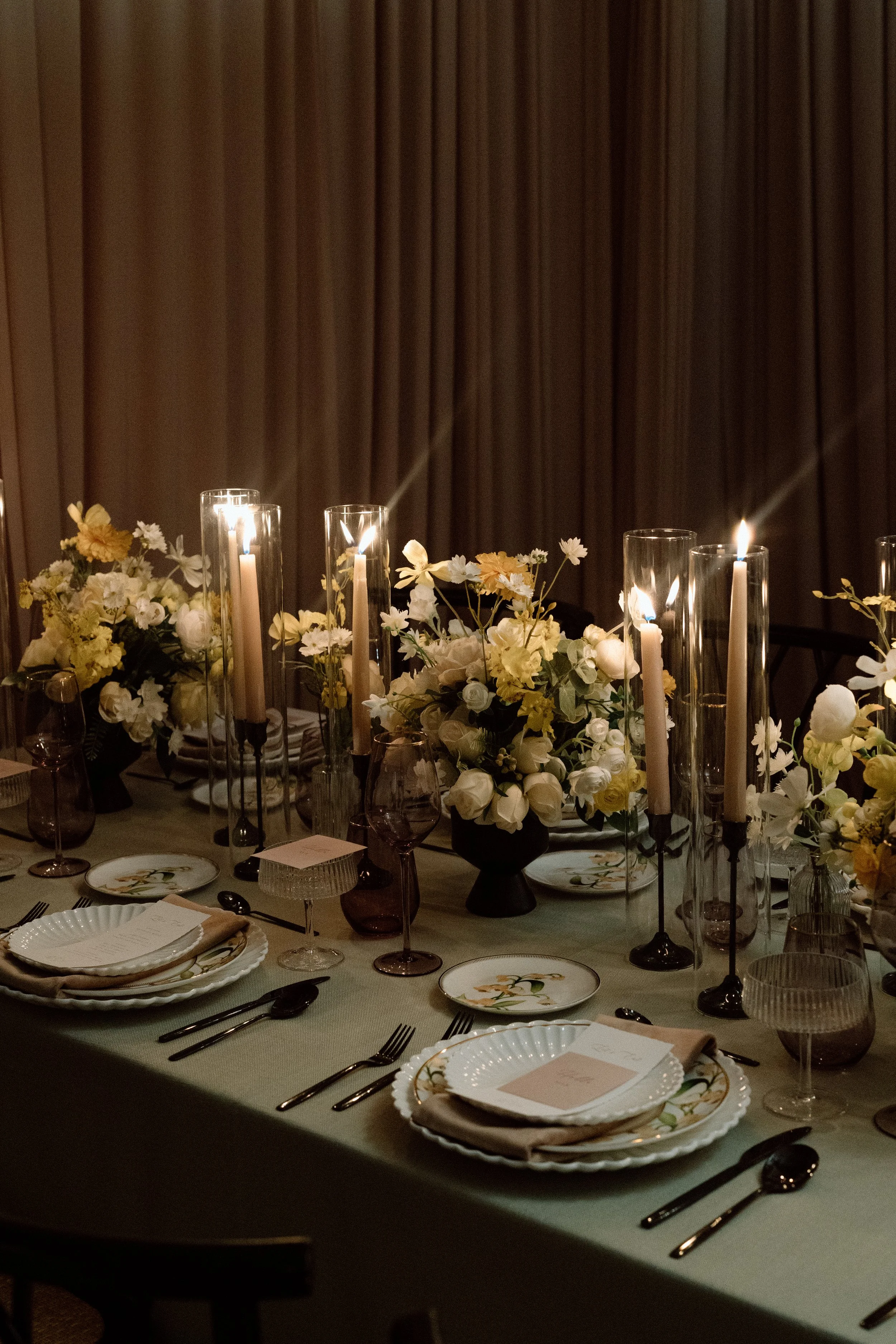
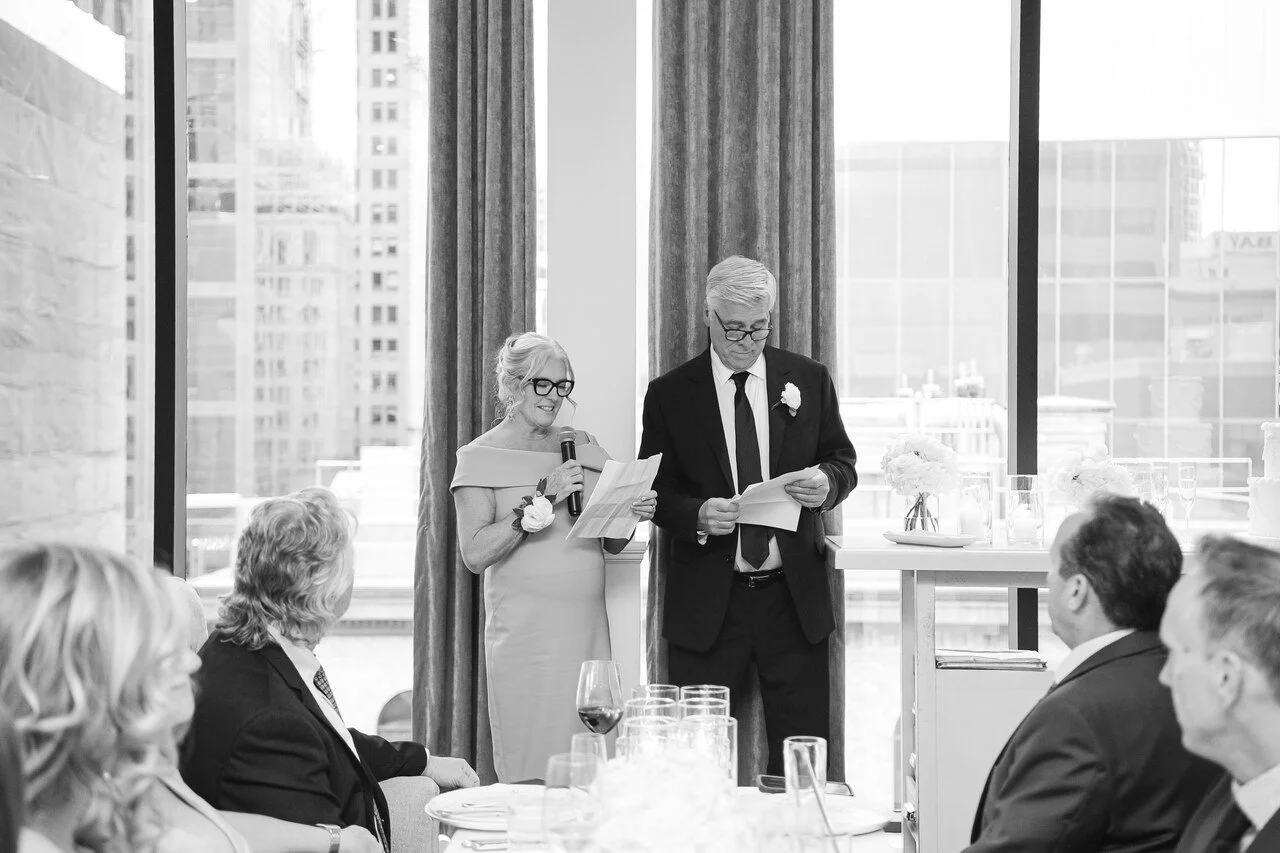

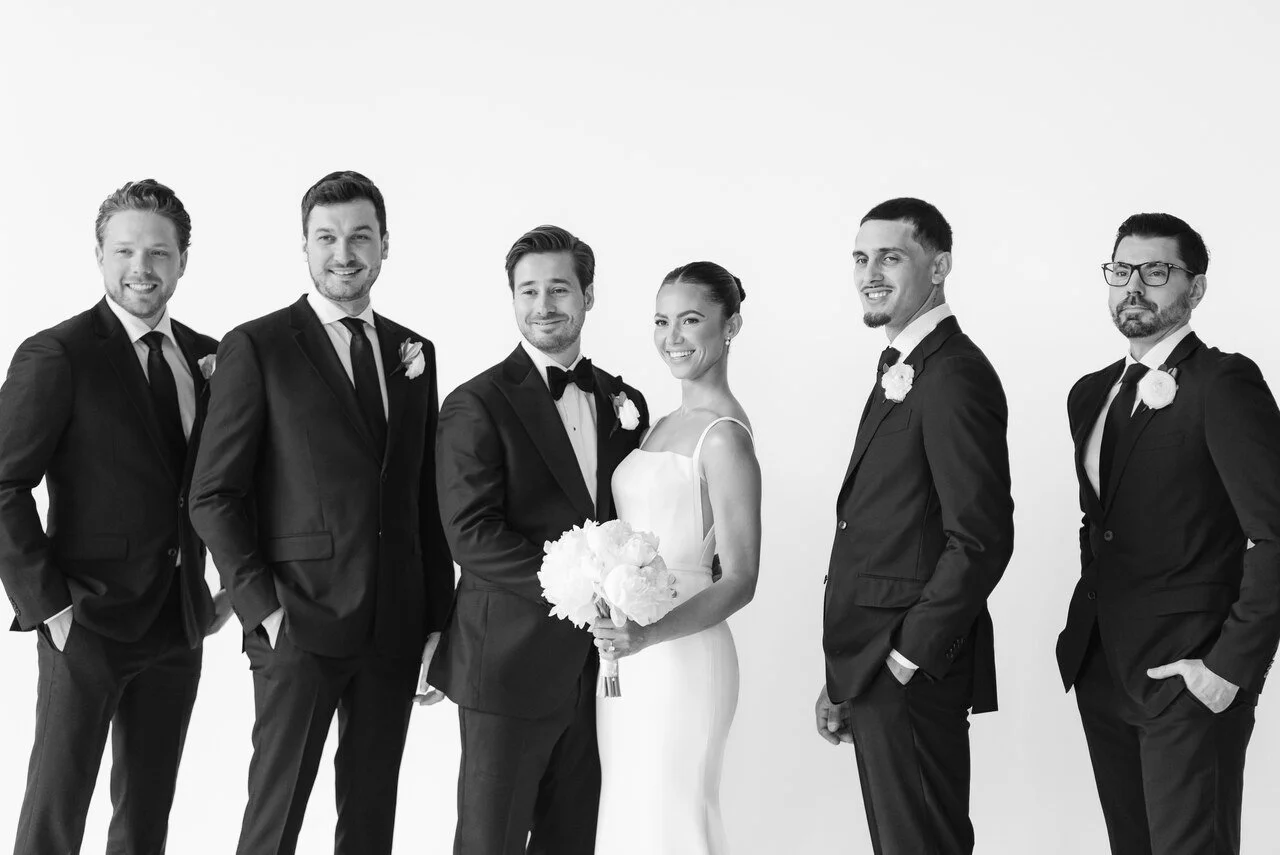
What you might not know yet is how dramatically different it is to plan a luxury destination wedding in Portugal or Italy as a North American couple versus planning a wedding at home. And that gap, between what you've imagined and what it actually takes to pull off, is where most couples run into trouble.
We've planned luxury weddings for American couples across Portugal and Italy for years. We have seen every version of this go beautifully, and we have been called into weddings where things started sideways. The difference between those two outcomes almost always comes down to the same handful of mistakes, made early, with good intentions, by couples who simply didn't know what they didn't know.
Here are all seven mistakes we have seen time and time again that every American couple needs to be aware of to achieve the destination wedding of their dreams.
Read them. Save this post. Share it with your fiancé tonight.
Mistake #1:
Assuming you can get legally married abroad, the same way you would in the United States

Wedding Design and Planning @claudiaandco_
Venue @globeandmailcentre
This is the mistake that has the highest stakes and the longest paper trail, and it is the one that catches American couples completely off guard, usually at the worst possible moment.
Here's the reality nobody in the destination wedding Instagram world talks about: legally marrying in Portugal or Italy as a US citizen requires a specific set of documents that must be prepared, certified, and, in some cases, translated, well in advance of your wedding date.
If You're Getting Married in Portugal, Here's What You'll Need:
A valid US passport, and not just valid on the day of your wedding. It must have at least six months of validity beyond your wedding date. Check your passport expiration date before you start wedding planning. If your wedding is in June 2026, your passport needs to be valid through at least December 2026.
An Apostille-certified copy of your birth certificate. An Apostille is a specific form of international document authentication (it's the way foreign governments verify that your US documents are legitimate). You get it through your state's Secretary of State office. The problem? Processing times vary wildly by state. Texas and Florida typically process apostilles in 5–10 business days. California, on the other hand, can take 6 to 8 weeks, and that's when things are running smoothly.

Wedding Design and Planning @claudiaandco_
Venue @globeandmailcentre
A Certificate of No Impediment (also called a Sworn Affidavit of Single Status in some states) is a notarized declaration that you are legally free to marry. This also needs to be apostille-certified.
Certified document translation. Portugal requires all legal documents to be translated into Portuguese by a certified legal translator. This is not something you can do with Google Translate. Every couple needs to have a trusted translator who specializes in US legal documents and understands exactly what Portuguese civil registries require.
If You're Getting Married in Italy, Here's What You'll Need:
A Nulla Osta, which is a document issued specifically by the US Embassy in Rome that confirms no legal obstacles exist to your marriage. Getting an appointment at the US Embassy, completing the paperwork, and processing the Nulla Osta takes time and requires coordination with Italian civil authorities. It is not a last-minute errand.
Apostille-certified birth certificates are the same as in Portugal.
“About 60% of the couples we work with choose to do a small, quiet legal ceremony at their local courthouse — think NYC City Hall, the Beverly Hills Courthouse, or a county clerk’s office near home — one to two weeks before their European wedding. It takes about fifteen minutes, costs almost nothing, and eliminates the entire foreign paperwork maze.”
Understanding the difference between a civil ceremony and a symbolic ceremony matters enormously. A civil ceremony in Italy is conducted by a local civil registrar and is legally recognized in both Italy and the United States. A symbolic ceremony is a beautiful, personal ceremony officiated by someone of your choosing. You are not married in the eyes of any government after a symbolic ceremony. Many American couples book a symbolic ceremony, thinking it's legally binding, and only find out otherwise weeks or months later. If you want your Italian wedding to count legally, you need a civil ceremony, and we make sure that distinction is crystal clear from day one.
Mistake #2:
Booking vendors who have never actually worked with American couples or on destination weddings (or both!)

Florals & Candles @flowerlyca
Photography @mangostudios
Videography @bigticketweddings
This one is subtle. It doesn't show up as a red flag on anyone's Instagram feed. The vendor's work looks exactly like what you were envisioning. Their portfolio is stunning. Their inquiry response time is fast.
And then you start working together, and slowly, painfully, it becomes clear that something is off.
European vendors are extraordinarily talented. Portugal and Italy are home to some of the best photographers, florists, chefs, and musicians in the world. But talent is not the same as cultural fluency. And working with American couples requires a very specific kind of fluency that most European vendors, through no fault of their own, simply don't have.
Here's What That Gap Looks Like in Real Weddings
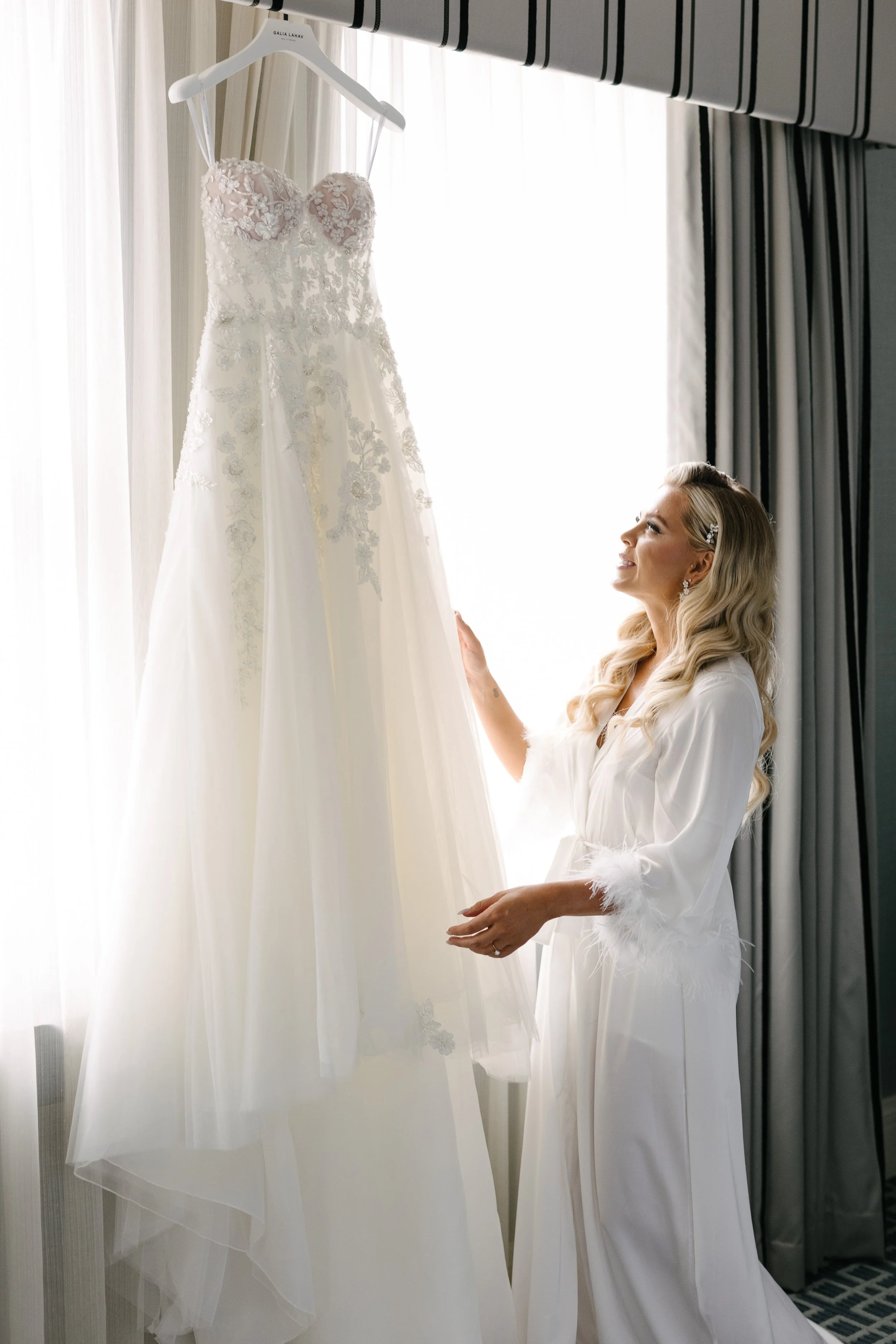
The florist who doesn't understand the bridal party moment. American weddings have a deeply specific ritual around florals: every bridesmaid carries a bouquet. The flower girl has a basket. The groomsmen have coordinated boutonnieres. The parents get corsages and boutonnieres. There is a full floral inventory that American couples expect, and a European florist who hasn't worked with US clients will often underprepare, not out of negligence, but because European bridal parties simply don't operate the same way.
The caterer who hasn't navigated American dietary culture. At any American wedding, you will have guests who are gluten-free, vegan, vegetarian, nut-allergic, kosher, or avoiding something else entirely. This isn't a rounding error; it can be 15 to 20% of your guest list. A catering team that isn't accustomed to fielding and accommodating this level of dietary specificity mid-service might struggle.
“Destination weddings are some of the hardest to have go smoothly, and that is exactly why it is so important to curate your vendor list to professionals who understand the terrain you are planning within. ”
Venue @globeandmailcentre
Florals & Candles @flowerlyca
Photography @mangostudios
Videography @bigticketweddings
Mistake #3
Underestimating What It Costs Your Guests to Get to Europe
This is the conversation we have with almost every American couple in their first call with us, and it is one of the most important reality checks in destination wedding planning.
It usually goes like this:
"How many guests are you thinking?"We're hoping for around 80."Where are most of them based?"Chicago, Dallas, Atlanta, you know, spread across the country."
Then we open a tab and start running numbers together. And the mood shifts, not to panic, but to clarity.
Florals & Candles @flowerlyca | Beauty @fancyfaceinc |Entertainment @solepower
What Round-Trip Flights to Europe Actually Cost in Peak Wedding Season (May–October):
Chicago O'Hare (ORD) → Lisbon: approximately $800–$1,400 per person
Dallas Fort Worth (DFW) → Rome: approximately $900–$1,600 per person
Atlanta (ATL) → Lisbon: approximately $700–$1,200 per person.
New York JFK → Rome: approximately $600–$1,000 per person.
Now do the math on 80 to 150 guests.
The key here isn’t to decide where you, as a couple, want your wedding based on other people, but instead to understand the cost and recognize who may not be able to attend. Some of your guests will happily do it. Some won’t be able to, and some will RSVP yes, then drop out closer to the date when the full financial reality sets in.
What the Smartest Destination Wedding Couples Do Instead
They intentionally shrink the guest list, and they stop feeling guilty about it.
They send save-the-dates 14 to 16 months out. Two extra months is the difference between your guests finding $700 fares and $1,400 fares. It gives them time to use points, open travel credit cards, plan their vacation days, and actually commit.
They create a shareable flight alert. We recommend all of our couples send their guests a link to Google Flights price tracking for their specific routes, set up directly from their wedding website. It is a small gesture that takes five minutes and saves your guests real money.
Mistake #4:
Not Accounting for the Time Zone & Travel Logistics
Venue @globeandmailcentre
Florals & Candles @flowerlyca
Photography @mangostudios
Videography @bigticketweddings
Portugal sits 5 hours ahead of Eastern Standard Time, and 4 hours ahead during European summer, when the clocks shift differently than in the US. Italy is 6 hours ahead of EST. If you're based in Los Angeles or Seattle, you are working with an 8-to-9-hour gap.
This may sound manageable, but for most, this becomes overwhelming fast when you're trying to finalize a flower order, negotiate a contract revision, confirm a tasting menu, or handle an urgent venue question.
What This Looks Like When It Goes Wrong
You send an email to your venue coordinator on a Friday at 10 am Pacific time. In Lisbon, it is 6 pm on a Friday, and she has already left the office for the weekend. Your message sits unread. You don't hear back until Monday afternoon Portugal time, which is Monday morning your time, but by then, it's been 72 hours since you sent what felt like a routine question, and you've spent the weekend refreshing your inbox.
Vendor calls become a daily negotiation. The windows where both you and a Portuguese or Italian vendor are awake, at work, and available overlap narrowly. It means early morning calls for you, or late evening calls for them, and everyone is slightly tired and slightly rushed.
During the peak planning months (roughly 6 to 3 months before your wedding ), these time zone delays compound. A decision that should take three days takes ten. A revision to a catering proposal sits in a holding pattern. A venue contract sits unsigned while you try to coordinate signatures across two continents and two time zones.
How This Problem Disappears When You Work With Us
We take on the hassle of coordinating with all of the vendors, no matter where they are located or what time zone they are in. We are your full-time, on-the-ground communication layer, which means nothing waits for time zones to align.
You receive a weekly planning digest at a time that works for your schedule, wherever you are in the US. You always know exactly where things stand without having to chase anyone down.
If you would like to learn more about how we take things off your plate…
“Never plan a destination wedding in Europe by managing vendor relationships yourself across a 5 to 9 hour time difference. The math alone will cost you weeks of planning momentum — and in European wedding markets, weeks matter.”
Mistake #5
Choosing a Venue Based on Instagram Without Thinking About How 100 Americans Get There
This is the one that breaks our hearts a little every time, because the venue is always genuinely, breathtakingly beautiful. Of course it is, that's why you saved it. And then we sit down together and look at the logistics of getting your guests from Atlanta, Austin or Boston to that exact location, the picture gets more complicated.
This is not a reason to abandon the venues you love. It is a reason to understand exactly what you're asking of your guests when you choose them.
The Logistics Map for American Couples: Portugal
Lisbon Region (Sintra, Setúbal, Comporta, Palmela). This is the most accessible entry point for American guests, full stop. TAP Air Portugal, United, and Delta all operate direct or near-direct routes from JFK, Boston Logan, Miami, and Washington Dulles to Lisbon's Humberto Delgado Airport.
Algarve (Vilamoura, Quinta do Lago, Tavira). There are no direct flights from the US to Faro Airport. Your guests fly into Lisbon and connect, adding roughly 3 to 4 hours of travel time depending on the layover. Absolutely doable for the right guest list, and we manage the logistics seamlessly when couples choose this region.
The Logistics for American Couples: Italy
Rome and the Lazio Region (Tivoli, Frascati, the Roman Countryside). Rome's Fiumicino Airport is one of the best-connected airports in Europe for US travellers. Direct flights from JFK, LAX, O'Hare, Miami, and more.
Tuscany (Chianti, Val d'Orcia, Lucca), Florence and Pisa both have airports. Most American guests will connect through Rome or London, adding a leg to the journey, but nothing unreasonable.
Lake Como and the Northern Italian Lakes. Milan Malpensa has solid transatlantic connections, and the lakes are about an hour's drive. The venues, however, book extraordinarily far in advance, 2 to 3 years for top properties, and the area is expensive, and logistically dense in high season. If Lake Como is the dream, we need to start talking today.
Mistake #6
Planning on an American Timeline
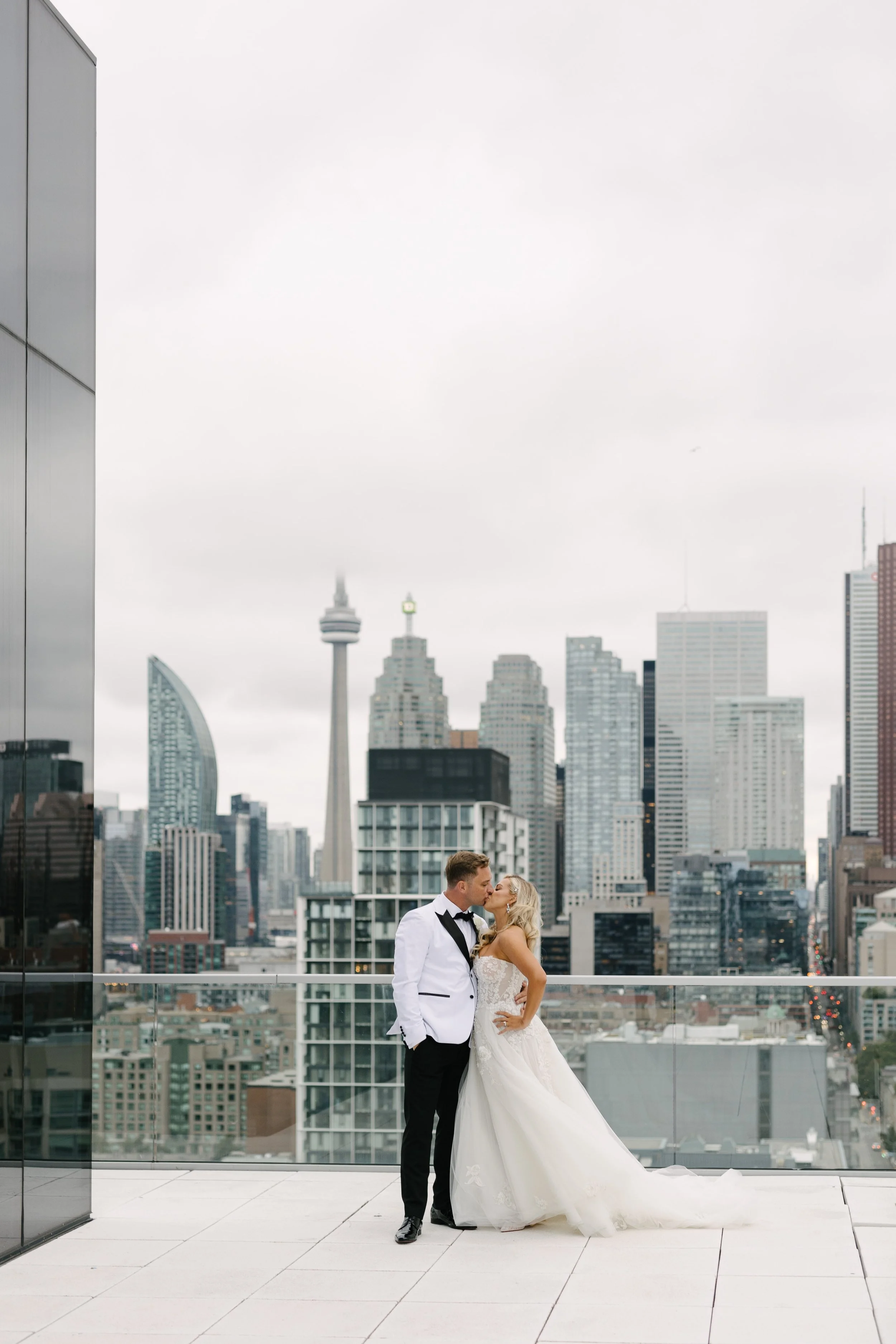
Venue @globeandmailcentre
Florals & Candles @flowerlyca
Photography @mangostudios
Videography @bigticketweddings
In the United States, booking your venue and major vendors 12 to 18 months before your wedding is considered excellent, responsible planning. Your vendors will confirm this. Your venue coordinator will be pleased. Your wedding planner will say you're right on track.
Now take that same timeline to Europe.
For the venues and vendors American couples have been saving to their Pinterest boards for years, booking 12 to 18 months in advance is often already too late.
The Real Booking Windows in European Luxury Wedding Markets
Top-tier venues in Tuscany, the Alentejo, and the Lisbon region book 24 to 30 months in advance for Saturday dates between May and September.
Award-winning photographers, the ones whose work you've been bookmarking, whose editorial spreads show up in Vogue and Magnolia Rouge, whose aesthetic matches exactly what you've been imagining, book 18 to 24 months out.
Luxury villa and estate rentals for full-weekend wedding buyouts in the Amalfi Coast, the Douro Valley, and the Algarve are frequently booked 2 full years ahead for peak months. These properties rent to one group for the entire weekend, availability is inherently limited, and demand from European, US, and Middle Eastern couples is fierce.
Hair and makeup artists with professional English fluency in secondary cities like Évora, Siena, Braga, and Lecce book 12 to 18 months out. English fluency matters enormously when your bridal party is entirely American and needs to communicate clearly about looks, references, and timing.
What This Means if You're Reading This Right Now

Venue @globeandmailcentre
Florals & Candles @flowerlyca
Photography @mangostudios
Videography @bigticketweddings
If you got engaged recently and you're dreaming of a summer 2027 or 2028 wedding in Tuscany, the Douro Valley, or anywhere along the Portuguese or Italian coast, the window to secure the venues and photographers you actually want is not in six months. It is right now.

Venue @globeandmailcentre
Florals & Candles @flowerlyca
Photography @mangostudios
Videography @bigticketweddings
Planning a luxury destination wedding in Portugal or Italy as an American couple is one of the most extraordinary decisions you will ever make. It is a declaration that your wedding will not be ordinary, that you are building something genuinely unforgettable for yourself and for everyone you love enough to bring along.
But this is not a wedding you can plan the way you would plan a wedding at home.
The paperwork is different. The vendors are different. The booking timelines are different. The insurance landscape is different. The guest logistics are different. And the time zone means that the entire machine operates on a rhythm that doesn't match your daily life.
Every single mistake on this list is completely, entirely avoidable. That’s the beauty.
The couples who avoid them all have one thing in common: they worked with a planner who understood both worlds. Someone who has navigated the apostille process for couples in all fifty states. Who has explained the Nulla Osta to a panicked couple at 11 pm EST.
Who knows that your guests are flying out of O'Hare and need a direct route, not a connection through Frankfurt. Who has built a vendor network specifically, deliberately, for American couples in European destinations.
That is the work we do. It is the only work we do.